Introduction of Renewable Energy
In order to achieve carbon neutrality, it is necessary to replace the energy used in production with renewable energy. G-TEKT has been installing solar panels on the rooftops of plants at overseas sites since 2017, and internally consumes the electricity generated.
We have continued to advance these initiatives, installing a new solar power system with a maximum output capacity of 2,000 kW at G-TEM in the UK in FY2023, and introducing Japan’s first self-consumption solar power system at our Chubu Plant in FY2025.
Proportion of Renewable Energy
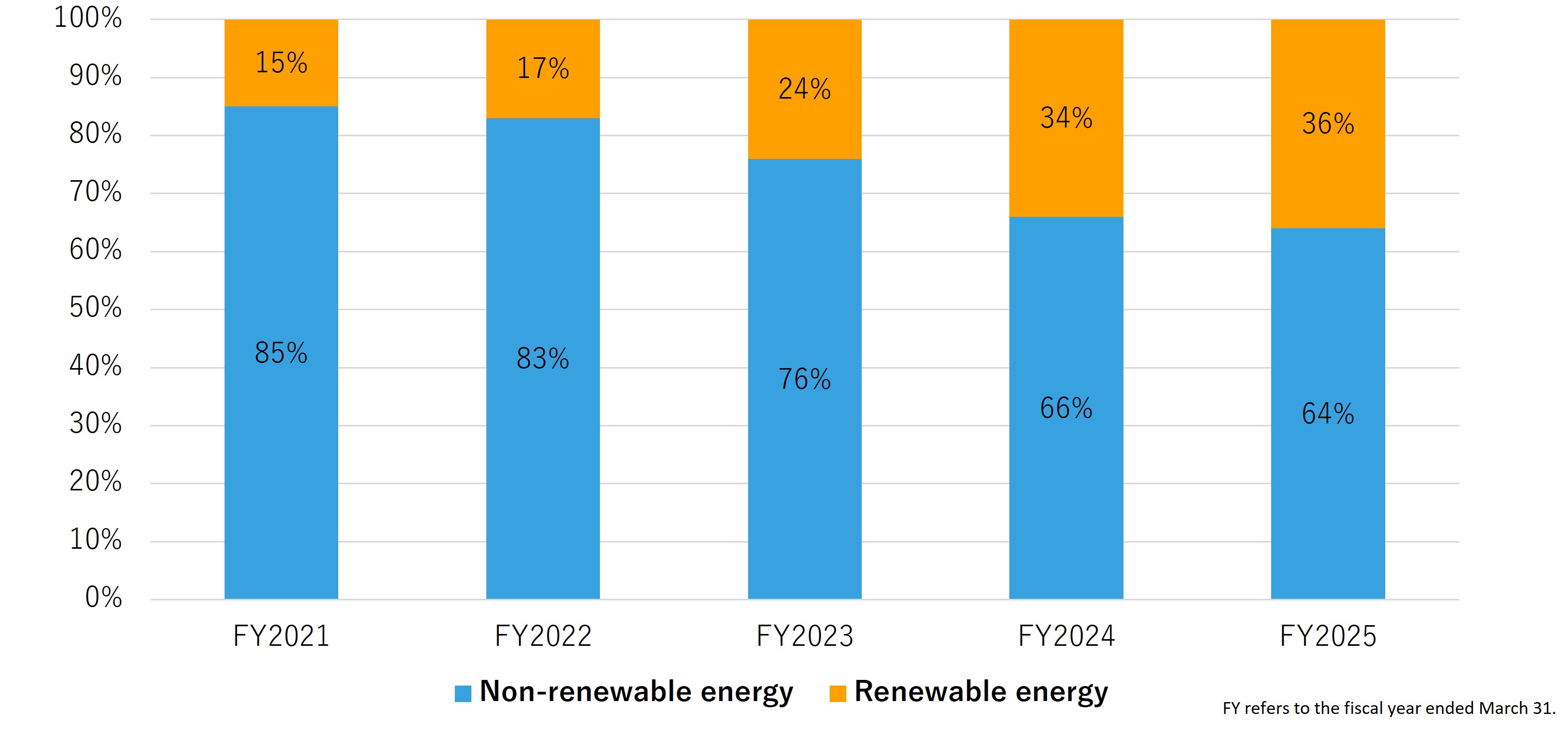
* We are revising our past reports because we have recalculated the proportion of renewable energy sources to account for the low-carbon electricity we purchased.
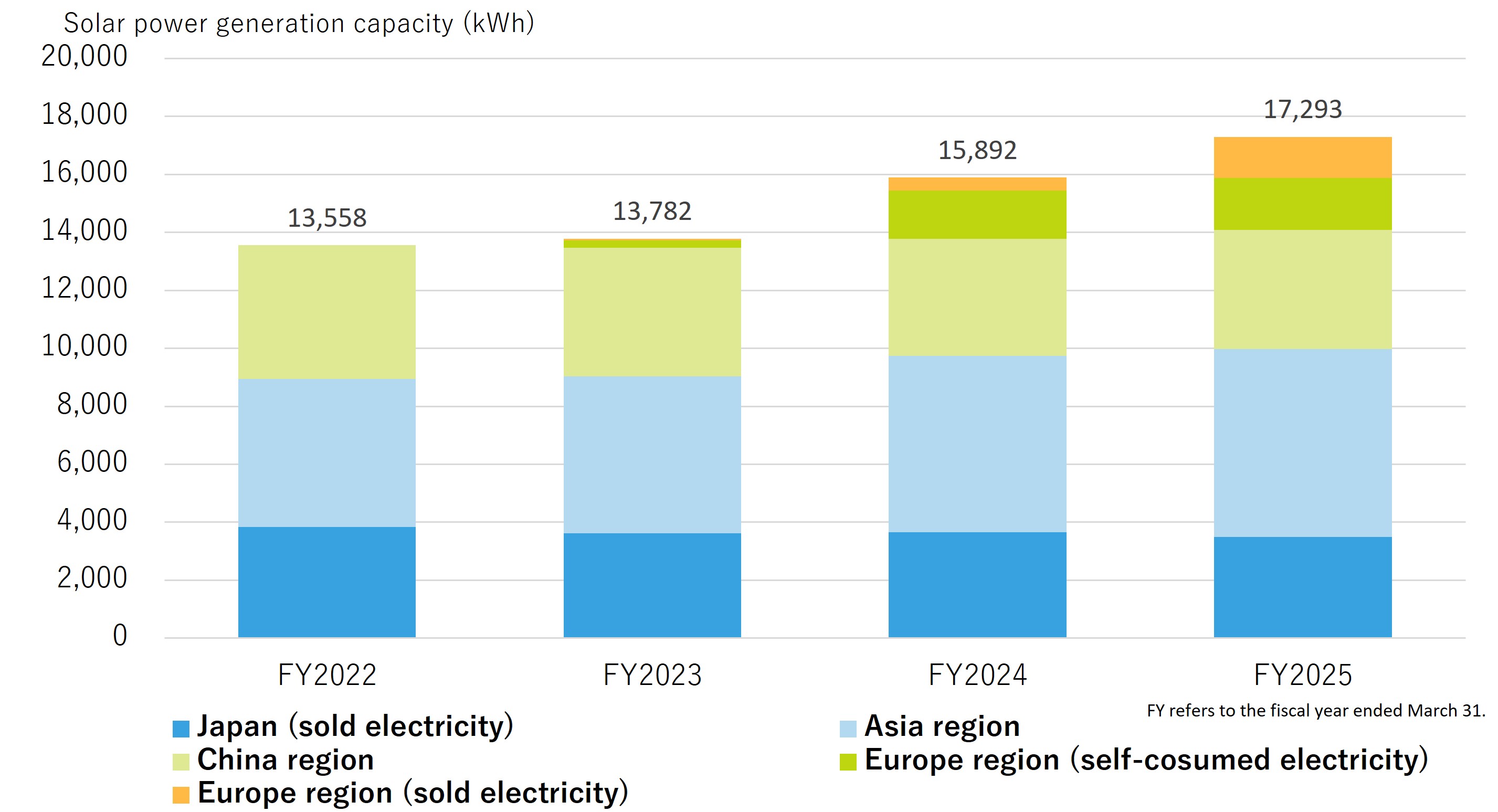
Self-consumption of Electricity through Solar Power Generation
Solar power generation at the G-TIP plant in India
Solar panels have been installed on rooftops to generate electricity at five of our overseas subsidiaries: APAC and WAPAC in China, G-TEC and G-TTC in Thailand, and G-TIP in India.
The electricity is consumed internally or bought enabling the plants to reduce CO2 emissions by using renewable energy.
* Renewable energy is, unlike fossil-derived energy which is a finite resource such as petroleum, coal and natural gas, energy that can be reused or is inexhaustible in the natural environment, such as solar, wind, hydroelectric, geothermal and biomass.
Creation of Electricity by Solar Power Generation
The on-site solar power generation systems installed on the roofs of our factories are primarily used to supply electricity for factory operations; any electricity not used during factory operations on holidays is sold back to the grid.
In Japan, we have been operating solar power generation projects (selling all generated electricity under the FIT program) since 2014 at our three facilities—the Saitama, Gunma, and Shiga factories—with the aim of supplying the public with electricity generated through low-carbon methods.
-
Saitama Plant
-
Gunma Plant
-
Shiga Plant
Environmental Improvement Efforts
Japan (Chubu Plant)
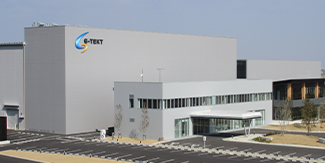
The Chubu Plant, completed in 2024, was awarded an A rank—the second-highest level out of five—under the CASBEE (Comprehensive Assessment System for Built Environment Efficiency) certification system, administered by the Institute for Built Environment and Carbon Neutral for SDGs’ evaluation program.
This certification system evaluates the environmental performance of buildings, comprehensively assessing aspects such as energy efficiency, resource utilization, indoor environment, and impact on the surrounding environment, and then assigns a rank reflecting those capabilities.
The Chubu Plant was designed with “environment” as one of its key concepts. Its building structure enhances HVAC efficiency, and the installation of solar photovoltaics helps reduce environmental impact. Additionally, the plant was designed to provide a comfortable workspace and foster a community-aligned labor environment.
We secured financing through a green loan for the construction of the Chubu Plant.
Overview of Green Loans (in Japanese)
Japan (Tochigi Plant)

A “sky sheet” (special sheeting made of aluminum foil) has been attached to the roof of the plant to reflect sunlight and minimize temperatures. This has significantly reduced heat build-up inside the building, resulting in lower temperatures. Reducing the use of air conditioning has reduced CO2 by 16.7 tons annually.
India (G-TIP)
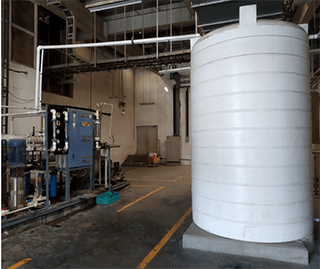
In India, water shortages have become an increasingly serious issue for several reasons: population growth, excessive groundwater consumption, and less rainfall. Since the G-TEKT plant in India uses groundwater in certain areas, such as the office, we have been working with the local government on countermeasures for groundwater shortages. By reviewing the layout of the piping in the plant and switching to recycled water for toilets, which is distributed by the government, G-TIP is saving 68,000 liters of water per day.
Mexico (G-MEX)
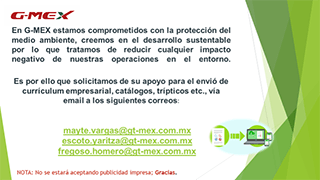
G-MEX reuses scrap paper internally to reduce the consumption of copy paper. Suppliers are also being asked to cooperate by making electronic versions of corporate brochures, catalogs, pamphlets, and other materials. G-MEX makes a point of pursuing initiatives for our supply chain in addition to the company.
Toward the Achievement of a Sustainable Society
Currently, G-TEKTʼs Scope 3 “Cat.1: Purchased products and services” accounts for 70% of the total Scopes 1, 2, and 3, of which 99% is steel sheets as raw materials. We recognize that reducing emissions in this area is essential to achieving carbon neutrality. Going forward, raw materials will shift from blast furnace materials to green materials such as electric furnace materials and hydrogen-reduced iron. Accordingly, press dies and welding technology need to be capable of processing products using green materials, and we aim to internalize this capability as soon as possible. We will establish a mass production system while maintaining and improving the quality of our products, which will remain unchanged. We will also promote the circular economy by recycling scrap, a byproduct of the pressing process, as we have done up until now, and at the same time, reducing the amount of raw material input to increase the yield rate of product materials.
CDP Environmental Disclosure
In recognition of its initiatives in the climate change field and the transparency of its information disclosure, G-TEKT was awarded a “Climate Change A-” (Leadership Level) rating by CDP for 2025.
In order to contribute to the realization of a decarbonized and sustainable society, the Company has set and disclosed targets for reducing greenhouse gases with the aim of achieving carbon neutrality by 2050, and is promoting enhancements in productivity, improved energy-saving measures, and greater use of renewable energy. We believe that it was such initiatives that led to the awarding of the “Climate Change A-” rating by CDP. Going forward we will continue to implement initiatives to address climate change and to actively discloses information, with the goal of helping to realize a sustainable and decarbonized society.